Emergency Neurology: Navigating Critical Situations with Precise Timing
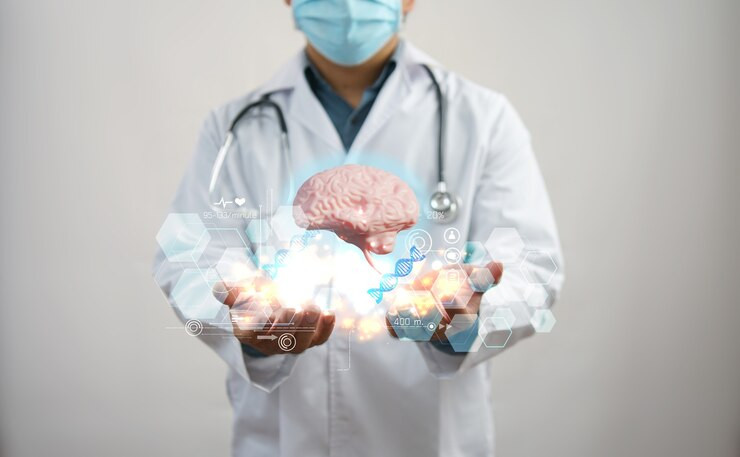
In medical emergencies involving the brain and nervous system, every second counts. Rapid diagnosis and treatment are essential to prevent permanent damage or even death. Emergency neurology focuses on managing acute neurological issues where delays can mean the difference between recovery and lifelong impairment. From strokes and seizures to spinal injuries and infections, neurologic emergencies require clinical expertise and prompt action only dedicated neurologists can provide. This article will explore critical emergency neurology situations and how specialist teams adeptly navigate high-stakes diagnoses and interventions.
Recognizing Symptoms of Neurologic Emergencies
Picking up on the early signs of neurological emergencies allows for faster medical intervention. Here are key symptoms that signal a neurologic emergency and you should choose a best neuro hospital in Delhi:
- Weakness/numbness on one side of the body or face indicating a potential stroke
- Severe, sudden headache or “thunderclap” headache which can signal a brain bleed
- Slurred speech, vision issues, dizziness, or confusion – signs of a possible stroke
- Severe head trauma with loss of consciousness or clear fluid from the nose/ear
- Sudden severe back pain with extremity weakness, which may indicate spinal cord compression
- An abrupt, uncontrollable seizure with loss of consciousness
- High fever and headache or neck stiffness indicating meningitis/encephalitis
- Progressive difficulty walking, swallowing, speaking, or breathing – symptoms of Guillain-Barre syndrome
Any acute neurologic symptoms should receive an emergency evaluation to determine the appropriate treatment. Timely intervention is imperative.
Critical Emergency Neurology Situations
Neurologic emergencies span traumatic injuries, infections, bleeding, blockages, and more. Here are vital conditions emergency neurology teams respond to:
Ischemic Stroke: A blocked blood vessel prevents oxygen from reaching the brain, resulting in rapid cell death. Restoring blood flow within 3-6 hours is critical to save brain tissue.
Hemorrhagic Stroke: Ruptured blood vessels cause bleeding into/around the brain, creating dangerous pressure on delicate tissue. Urgent measures reduce bleeding and pressure.
Aneurysm Rupture: The rupturing of an abnormal bulging of a blood vessel wall leads to dangerous bleeding in the brain, requiring immediate surgical intervention.
Severe Head Trauma: Blunt force or penetrating head injuries cause bleeding, swelling, and pressure, requiring neurosurgery and ICU care to prevent permanent damage.
Spinal Cord Compression: Trauma, disc herniations, or tumours can compress the spinal cord, resulting in nerve damage. Decompression surgery prevents paralysis if done promptly.
Brain Abscess: Swelling and infectious fluid caused by bacteria/viruses requires surgical drainage and antibiotics to avoid life-threatening complications.
Acute Disseminated Encephalomyelitis: Inflammation of the brain and spinal cord damages myelin insulation around nerves. Fast treatment with steroids/plasma exchange preserves nerve function.
Meningitis: Swelling the membranes around the brain and spine caused by infections requires urgent antibiotics, steroids, and fluids to prevent permanent impairment.
Precision Timing and Expertise Saves Lives
The race against time and the impact of each passing minute are evident across all emergency neurological situations. This makes subspecialized neurologists and access to advanced treatments 24/7 essential for positive outcomes. Leading edge stroke centres administer clot-busting medications upon arrival to rapidly restore blood flow. Neurosurgeons are onsite continuously to perform decompression surgeries before permanent damage sets in.
Neurological ICUs have specialised teams to monitor for complications like brain swelling, electrolyte imbalances, and secondary infections that can lead to rapid deterioration. Advanced neuromonitoring dials in targeted treatment. Rehabilitation begins early, even before discharge, to maximise recovery and functioning. Timing precision rehab interventions helps neurons form new connections and regain skills.
Why Pick PSRI Hospital for Brain Emergencies?
Choosing the best hospital in Delhi for neurology is a big decision. Here is why PSRI Hospital is a great choice:
Expert Doctors: Our neurology department is staffed by top-tier specialists who are leaders in their field, bringing unparalleled expertise to patient care.
The Latest Equipment: We have the advanced equipment and technology to diagnose and treat brain problems effectively.
Complete Care: We take care of everything, from emergency treatment to helping you get back on your feet.
We Care About You: Our main goal is to treat everyone with kindness, respect, and the best care possible.
Top-Quality Reputation: PSRI Hospital is the best hospital in Delhi for neurology, thanks to our commitment to keeping you safe and healthy.
Conclusion
In short, expert emergency neurological care can dramatically improve outcomes and quality of life for those facing these high-stakes situations. As neurologic diseases rise worldwide, dedicated emergency neurology serves a critical role. PSRI is a best neuro hospital in Delhi with an experienced team of neurologists and neurosurgeons equipped to handle the full spectrum of neurologic emergencies 24/7. From cutting-edge stroke care to ICU monitoring and rehab, we provide integrated treatment under one roof. Trust PSRI Hospital to be there for you when it matters most.


Comments
Post a Comment