Neurological and Spinal Emergencies: The Critical Moments That Matter
In the field of healthcare, certain situations demand immediate attention, where every second can significantly influence the outcomes. Neurological and spinal emergencies stand out as premier examples of such critical scenarios. These emergencies not only test the limits of medical expertise but also highlight the importance of fast and prompt care. This blog explores through the crucial aspects of neurological and spinal emergencies, focusing on why, in these serious cases, time is of the essence.
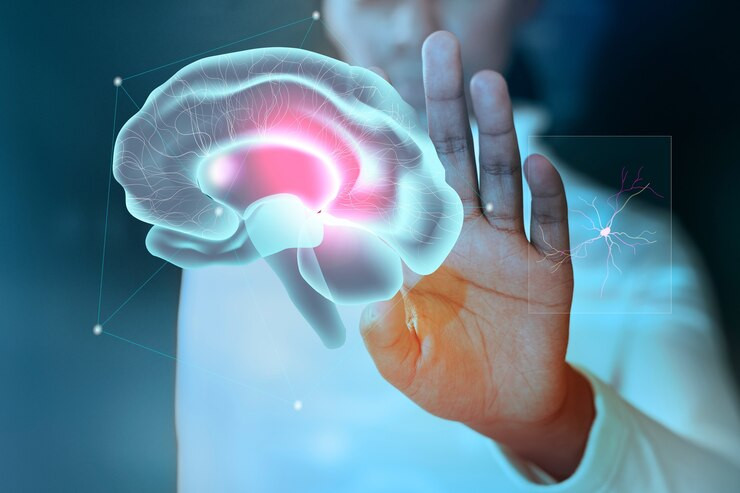
Understanding Neurological and Spinal Emergencies
Neurological and spinal emergencies refer to acute conditions that affect the brain, spinal cord, or nerves, potentially leading to long-term damage or life-threatening situations. These can range from strokes and aneurysms to spinal cord injuries and acute disc herniations. The sudden occurance of these conditions calls for immediate medical attention to preserve life and functionality.
Key Procedures in Neurological and Spinal Emergencies
In the critical world of neurological and spinal emergencies, certain life-saving procedures stand out:
Rapid Stroke Intervention: Doctors quickly use medicine to dissolve clots or perform a procedure to remove clots blocking blood flow to the brain. This fast action can save brain cells and reduce stroke damage.
Emergency Surgery for Aneurysms: If a blood vessel in the brain balloons and risks bursting, surgeons might need to secure it quickly with clips or fill it with coils to stop bleeding.
Acute Spinal Decompression: When something presses on the spinal cord or nerves, like a sudden disc herniation, doctors may perform surgery to relieve this pressure and protect nerve function.
Cranial Pressure Monitoring: After a serious head injury or stroke, monitoring the pressure inside the skull is crucial. It helps doctors prevent damage to the brain from too much pressure.
Essential Aftercare for Neurological and Spinal Recovery
After surviving a neurological or spinal emergency, the journey towards full recovery continues with dedicated aftercare. This phase is crucial for regaining strength and functionality while minimizing the risk of future complications. Here’s what comprehensive aftercare involves:
Personalized Rehabilitation: Tailored rehab programs designed by physical therapists help restore movement and strength. For spinal patients, this might mean relearning how to walk, while stroke survivors might focus on regaining speech and motor skills.
Regular Follow-ups: Routine check-ups with your neurologist or spine specialist are essential. These visits allow doctors to monitor your recovery progress, adjust medications, and recommend ongoing therapies.
Supportive Therapies: Depending on your needs, additional therapies like occupational therapy, speech therapy, and counseling can play significant roles in your recovery, helping you adapt to changes and address emotional well-being.
Education and Support: Learning about your condition and how to manage it is vital. Support groups and educational resources can provide both information and emotional support, connecting you with others who understand your journey.
The Role of a Premier Hospital in Managing Emergencies
When facing a neurological or spinal emergency, selecting the right healthcare provider can make a significant difference in the outcome. If you are searching ‘neurologist near me’, PSRI Hospital is renowned for its exemplary care in neurology and spinal treatments, making it a preferred choice for patients in need of urgent care. Here is why PSRI Hospital is the best destination:
Advanced Diagnostics: Right away, experts use MRI and CT scans to understand what’s happening inside your body. This quick look helps them decide the best way to treat you.
Expertise: Home to the best neurologist in South Delhi and the best spine specialist in India, PSRI Hospital offers unparalleled expertise.
Innovative Treatments: The hospital uses the latest and most effective treatments, whether that means surgery with just a few small cuts or rehabilitation programs using the newest technologies.
Continuous Monitoring: In the ICU, doctors and nurses keep a close watch on you all day and night. This way, they can quickly respond if there is any change in your condition.
Conclusion
Neurological and spinal emergencies are daunting challenges that demand not only medical excellence but also a sense of urgency and precision. In these critical moments, every second counts, underscoring the importance of having access to the best possible care. PSRI Hospital is a best spine surgery hospital in Delhi, offering advanced treatments and care for those facing the most serious neurological and spinal emergencies. With PSRI, you are not just choosing a hospital; you are choosing a partner in your journey to recovery, ensuring the best outcomes when time is of the essence.


Comments
Post a Comment